ASSESSED TO ACoP L8·HSG 274·BS 8580-1:2019·COSHH 2002

Legionella risk assessment · Reading & Thames Valley

Been told you need a
legionella risk assessment?

Insurance renewal, an inspection coming up, a letting agent, a letter from the HSE — whatever sent you here, it is sorted in days. Assessed to ACoP L8 and BS 8580-1:2019, with the written scheme your file actually needs.

ACoP L8HSG274 · BS 8580-1:2019
Daysnot weeks, report included
All buildingspublic and private
Two minutes, no obligation

Tell us about the building.

Tell us what you have and what prompted this. You get a straight answer the same working day: what your building needs, what it does not, and what happens next.

By sending this you agree to our privacy policy. No lists, no newsletters, just a reply.

What you get

One person handles it, start to finish.

Whether it is a rented flat or a hotel, you deal with one competent assessor who surveys the building, writes the scheme, and then keeps you compliant year after year. Nothing handed off, nothing for you to chase.

Who needs one

Any building where water sits in pipes.

What actually happens

Four steps, no disruption.

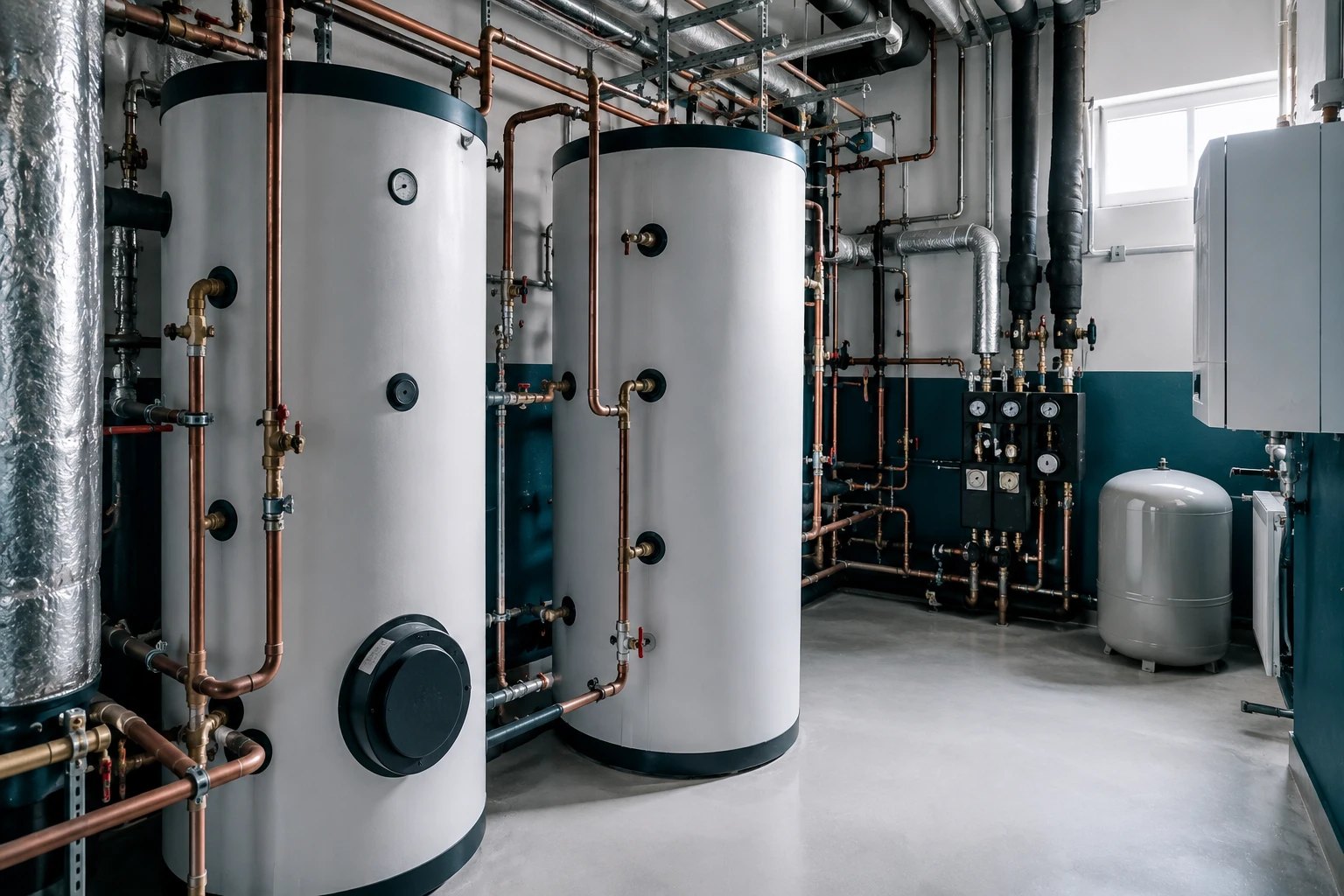
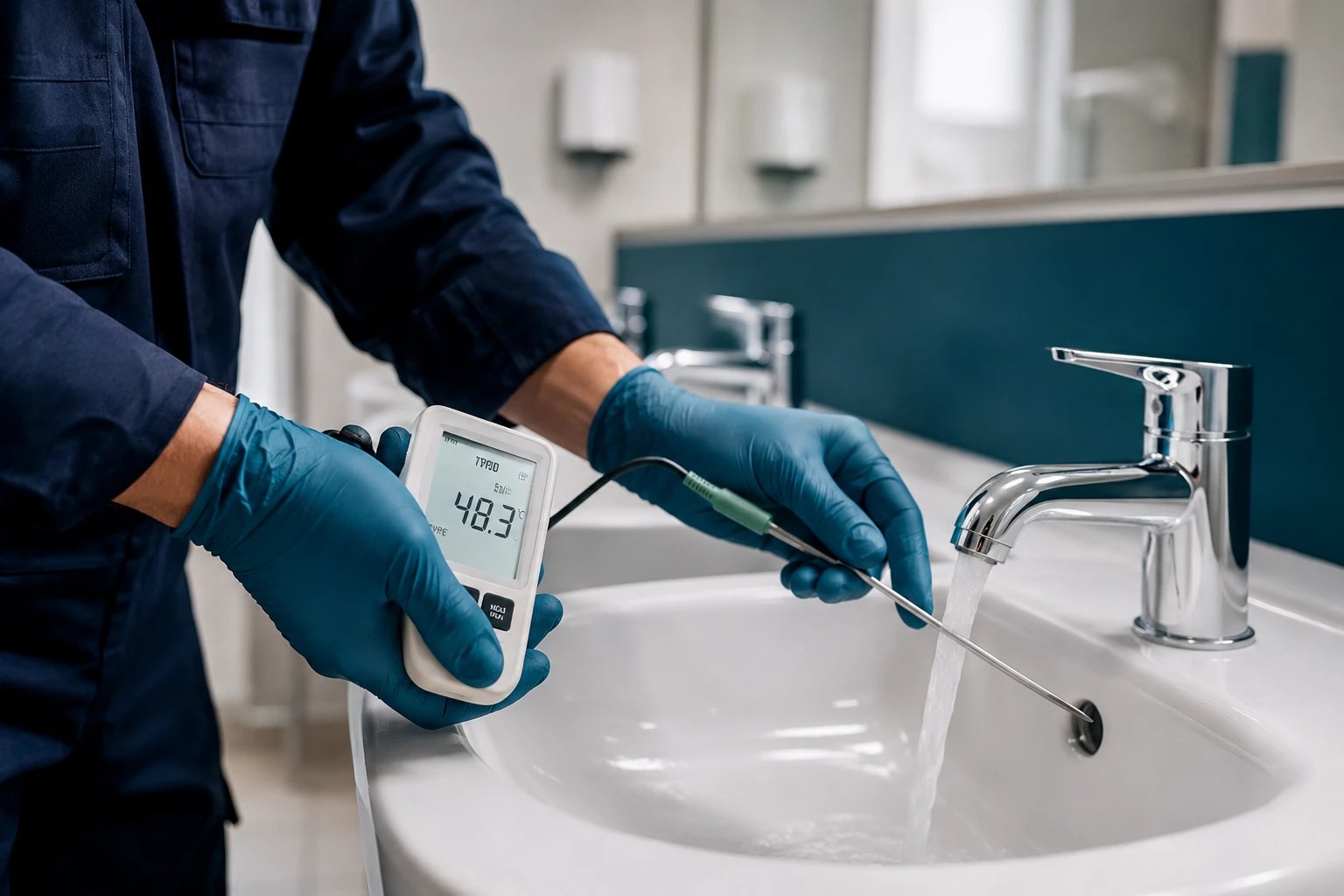
  1. Site survey. Every water system inspected: tanks, calorifiers, outlets, showers, deadlegs. Temperatures taken at the points that matter. Nothing shut down, nothing disrupted.
  2. Written report and scheme. A schematic of your system, the risks found, and the written scheme of control — the document inspectors and insurers actually ask to open.
  3. The fixes, prioritised. What must be done, what should be done, what can wait. In plain English, with who does what.
  4. Kept current. Reviewed every year, or sooner if the building or its use changes. Flushing and sampling scheduled so the records never go quiet.

Good to know

The questions everyone asks.

How long does it take? Most single buildings are surveyed in half a day. The report follows within days, not weeks.

How often is it needed? The assessment must be reviewed regularly — every two years is common practice, and sooner if the water system, the building or its occupants change.

Do I need one if the building is small? The duty applies to almost every non-domestic building, but the level of work scales with the risk. Small, simple system: small, simple assessment.

What if I already have one? If it is current and suitable, we will say so. If it is out of date or missed things, you will know exactly what and why.

Why this is not optional

If you control a building, this is your duty. Literally.

Under the Health and Safety at Work Act and COSHH, anyone in control of premises — employers, landlords, managing agents — must assess and control the risk from legionella. The HSE’s code of practice, ACoP L8, spells out how: a suitable risk assessment, a competent person, a written scheme, records. Not having one is not a paperwork gap; it is a breach, and the fines are unlimited.

If your building genuinely does not need a full assessment, we will tell you that in the first reply, for free. A compliance firm you cannot trust to say “you do not need us” is not one you can trust with your records either.

Where we work

Reading and around it.

Reading, Wokingham, Bracknell, Basingstoke, Newbury, Maidenhead, Henley, and the villages between them. If you are further out, ask — the honest answer costs nothing.